

The historic centre of Gaeta has two souls. There is Gaeta Vecchia — the medieval district of Sant’Erasmo, perched beneath the castle, made of alleys, arches, and churches holding a thousand years of history — and there is the Borgo di Elena towards Porto Salvo, known for its colourful fishermen’s houses and traditional trattorias. This guide takes you through the former, with a ready-made route and practical tips to make the most of your visit (starting with the ZTL, the limited traffic zone).
Where it is and how to find your way around
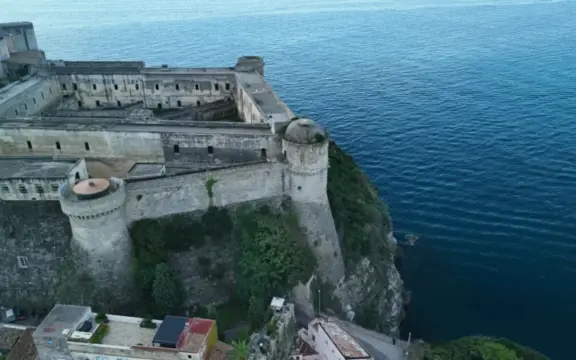
The medieval district occupies the tip of the promontory, at the foot of the Castello Angioino-Aragonese: it is the part of the city you see when arriving from the sea, nestled between the port and the ascent of Monte Orlando. It can only be explored on foot — and that is its charm: distances are short, though the climbs are not. The guide to Gaeta Vecchia tells the story of the neighbourhood and is the perfect starting point.
What to see: the essential sights
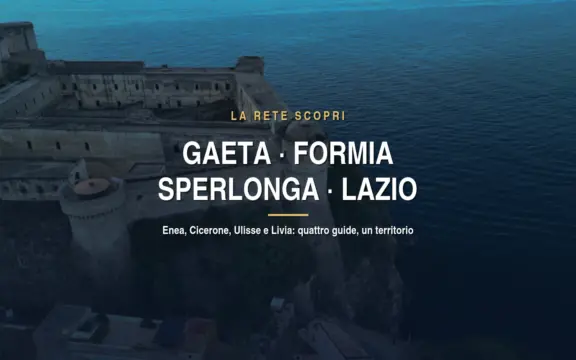
- Castello Angioino-Aragonese — the imposing fortress overlooking the entire district, symbol of the city.
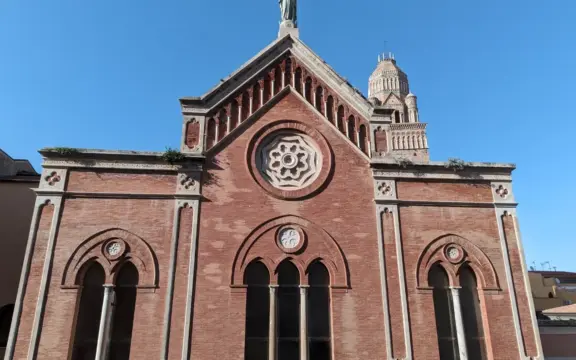
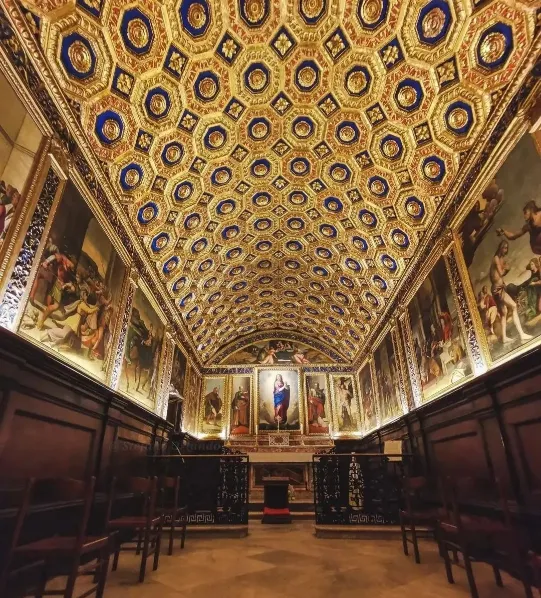
- Complesso della Santissima Annunziata e Cappella d’Oro — the jewel of the historic centre, with its golden chapel that alone is worth the visit.
- Basilica Cattedrale di Sant’Erasmo — the mother church of the district, with a bell tower recognisable from every point in the gulf.
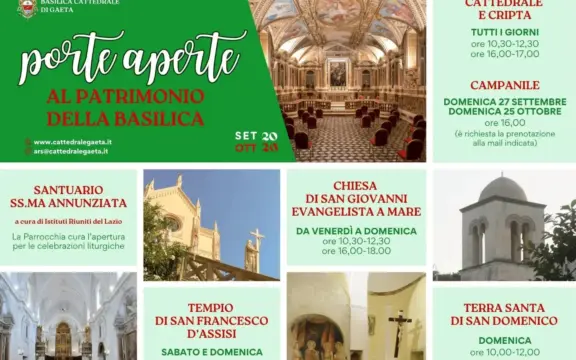
- Cripta di Sant’Erasmo — beneath the cathedral, one of the most evocative and lesser-known places.
- Chiesa di San Giovanni Evangelista a Mare — the charming medieval church just steps from the water.
- Porta Carlo V and the alleys — the historic gateway to the district and the maze of stairways and arches that makes up the true spectacle: this is the place to get lost.
The ready-made itinerary
If you prefer a set route, there is the historic centre walking tour: a step-by-step itinerary — from Porto Salvo to Porta Carlo V, passing by the Annunziata and the crypt — designed for half a day, with actual walking distances between each stop.
Check opening hours before visiting
Before choosing the order of your stops, check monument opening hours. The seasonal calendar for the Cathedral sites has its own dates and opening arrangements: check the period of your visit before treating entry as free or a site as open.
The ZTL: read before driving in
The medieval district is a limited traffic zone (ZTL): access points, operating hours, and rules for residents and visitors are detailed in the guide to the Gaeta Medievale ZTL. The practical advice is simple: leave your car outside — parking options are in the parking guide — and explore the historic town on foot.
Where to eat in the old town
For a break in Piazza Traniello, see Bar Bazzanti or Kè Eat. Their profiles provide contacts and details of the services. Compare the wider selection in where to eat in Gaeta.
Staying in the medieval quarter
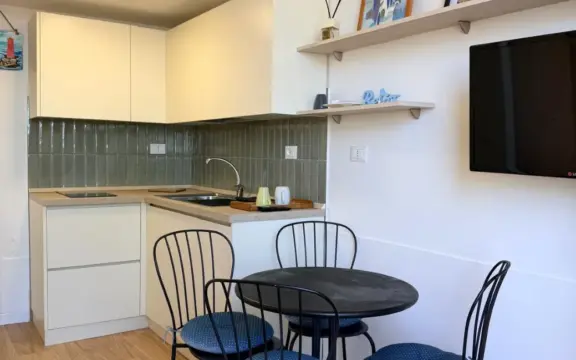
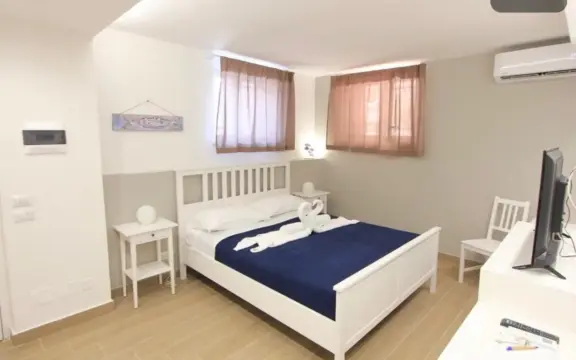
For a stay in the medieval quarter, AltaMarea Gaeta is in Piazza Sebastiano Conca and Casetta Velia is in Piazza Mazzoccolo. Ask the property about steps, luggage access and parking before choosing, then compare the other places to stay.
Frequently Asked Questions
Are Gaeta Vecchia and the historic centre the same thing?
Yes: Gaeta Vecchia is the name locals use for the medieval district of Sant’Erasmo, the oldest part of the historic centre, situated beneath the castle.
Can you drive into the historic centre?
The medieval district is a ZTL (limited traffic zone): before entering by car, it is best to consult the guide to access gates and hours. The best option is to park outside and explore on foot.
How much time do you need to visit?
Half a day is enough for the main route — the castle (from the outside), the Annunziata, the cathedral and crypt, and San Giovanni a Mare — at an easy pace with time for a meal.
What are the absolute must-sees if you are short on time?
The Cappella d’Oro of the Annunziata and the crypt of Sant’Erasmo: they are the two most striking sights, located just a few minutes from each other.